


Projects
March 2026 - Present
Deep Roots, Green Canopy
“As a small team at Three Sisters Gardens, we were grateful for the support that Olivia and Frank from Alluvial Network provided us. Their backgrounds made them incredibly well-informed, strategic, and flexible partners for our climate adaptation needs. Their environmental justice grounding provided us with a values-aligned working relationship that took into account our organization's limited capacity and met us where we were. We had such a positive experience working with them that we're actively seeking out more ways to partner with them in the future!”
— Simren Kaur, Program Development Coordinator at Three Sisters Gardens
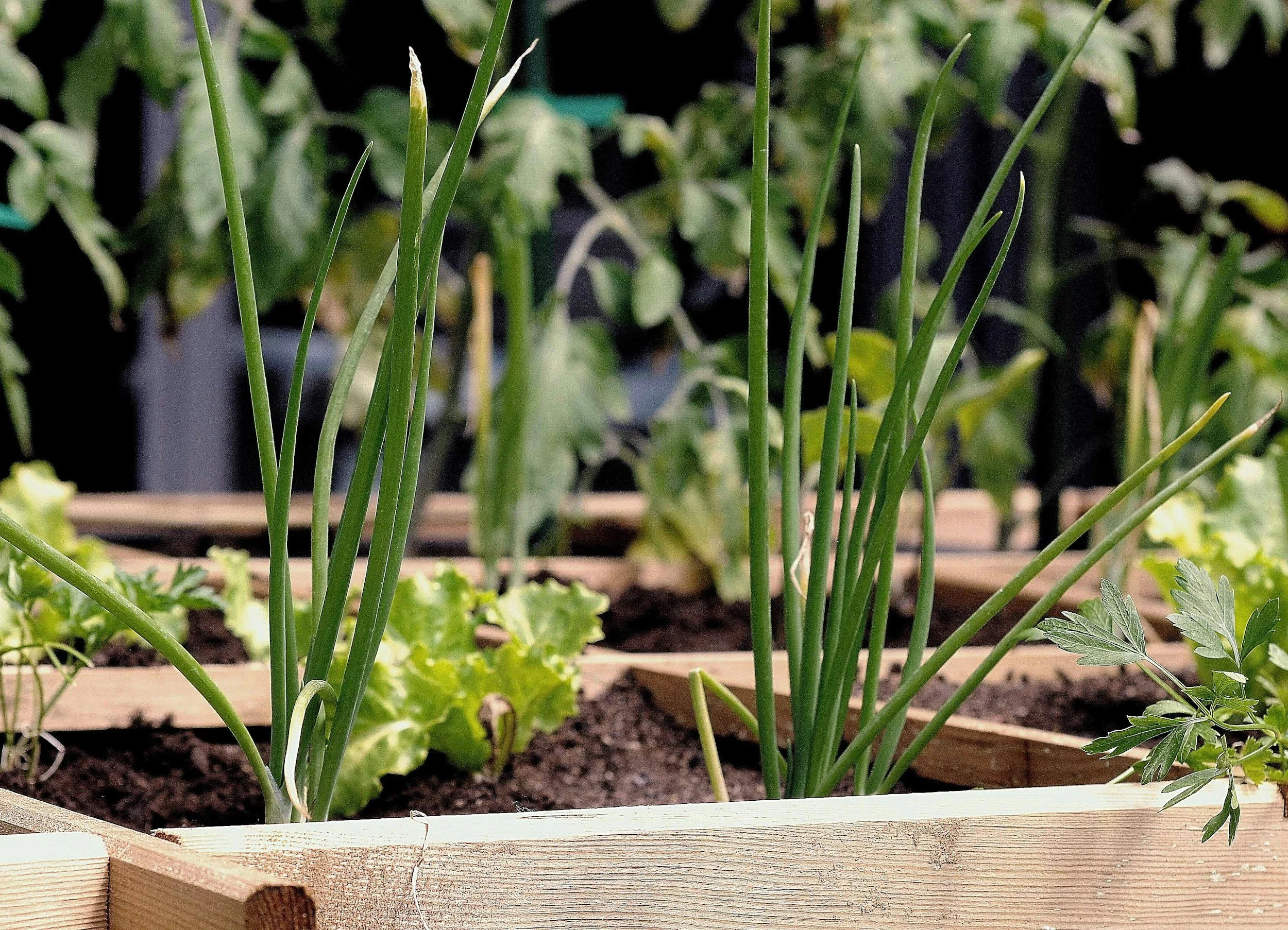
We began a partnership in March with Indigenous-led urban greening organization Three Sisters Gardens. Together, we prepared a proposal to the national Climate Smart Communities Initiative for coping with intense summer heat and food insecurity in low income neighborhoods of Sacramento.
The project will build resilience and environmental justice by supporting expanded tree canopy and urban gardens, directly reducing the burdens of rising street temperatures, low access to fresh produce, and low air quality. Alluvial will draw on its climate adaptation proficiency to ensure the risk-tolerance of the project’s greening components; we will also apply behavior science principles to drive a cultural shift towards at-home plantings and increase participation in programming offered at the project site, which will bolster residents’ collective- and self-efficacy and strengthen ongoing adaptation efforts.
This project presents a model case for addressing climate risks and food insecurity through nature-based solutions and behavior science.
Boston Solar Helping Ignite Neighborhood Economies (SHINE)
2023 - 2025
Our founders met while working for the international organization Rare, a leader in the application of behavioral science to environmental issues. During their tenure at Rare, they co-created and earned funding for SHINE, an integrated approach to climate adaptation, workforce development, community resilience, and energy equity.
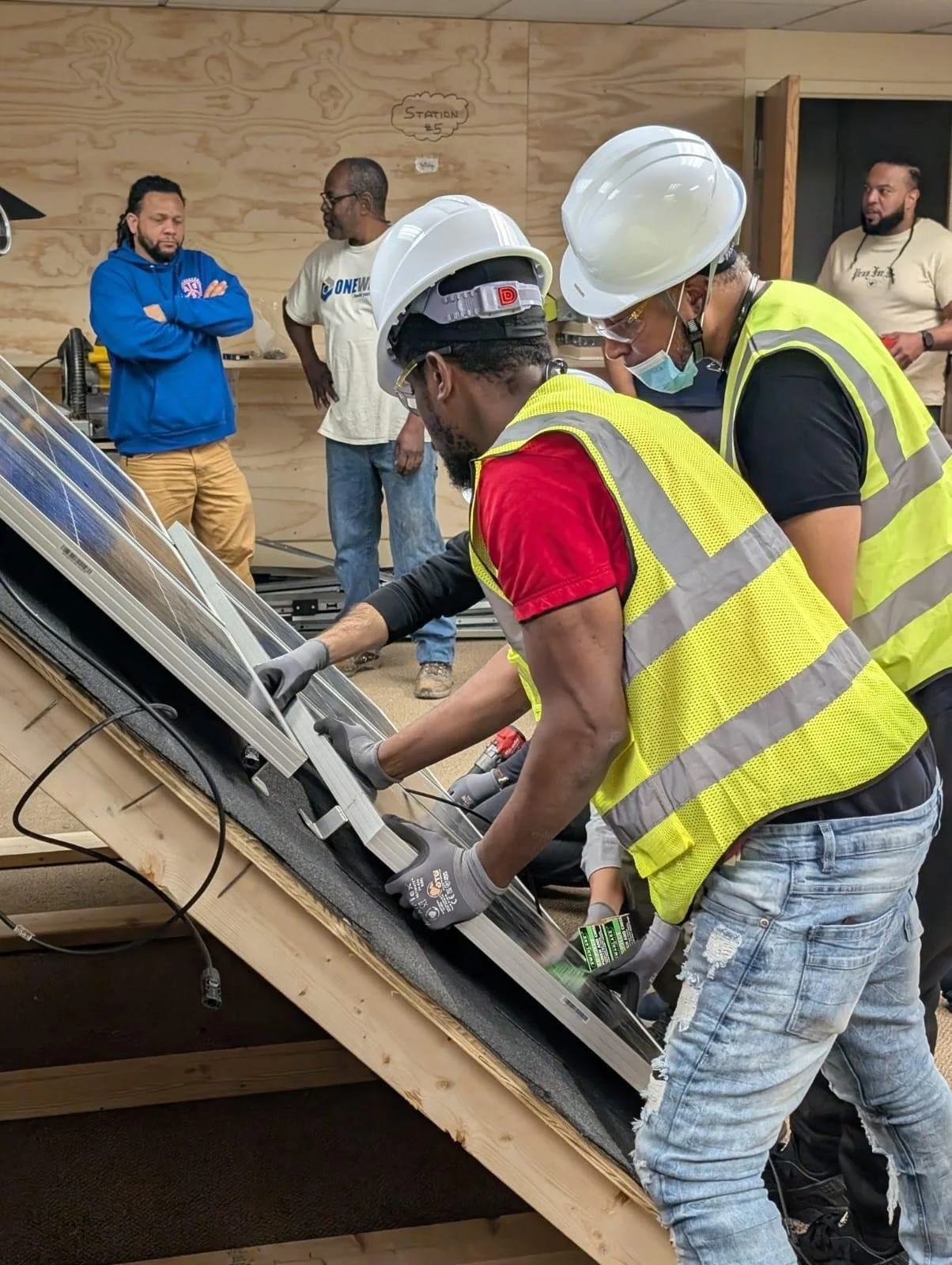
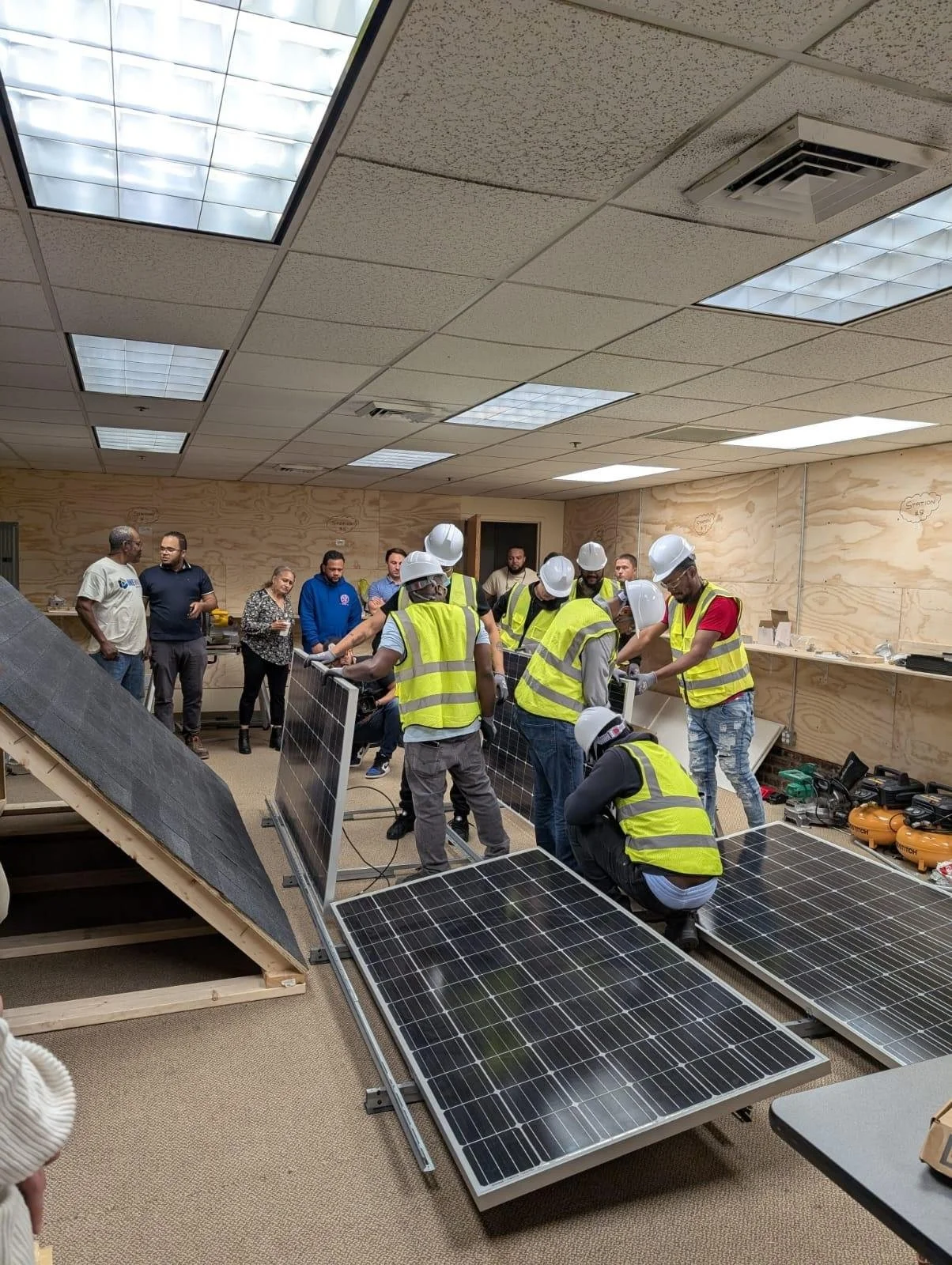
SHINE’s premise is to train disadvantaged and job-insecure residents of Boston to be solar technicians; these trainees construct solar arrays on the roofs of local nonprofits, routing the power generated through a shared solar framework to social service organizations in the community in addition to energy-burdened households that can’t afford the upfront costs of rooftop solar. We secured funding from both the U.S. Department of Energy and the Massachusetts Clean Energy Center to roll out training programs and community solar design.

Sacred River, Resilient Peoples: Building Community Strength in the Dungeness River Watershed
(EPA Community Change Grant development)
2024
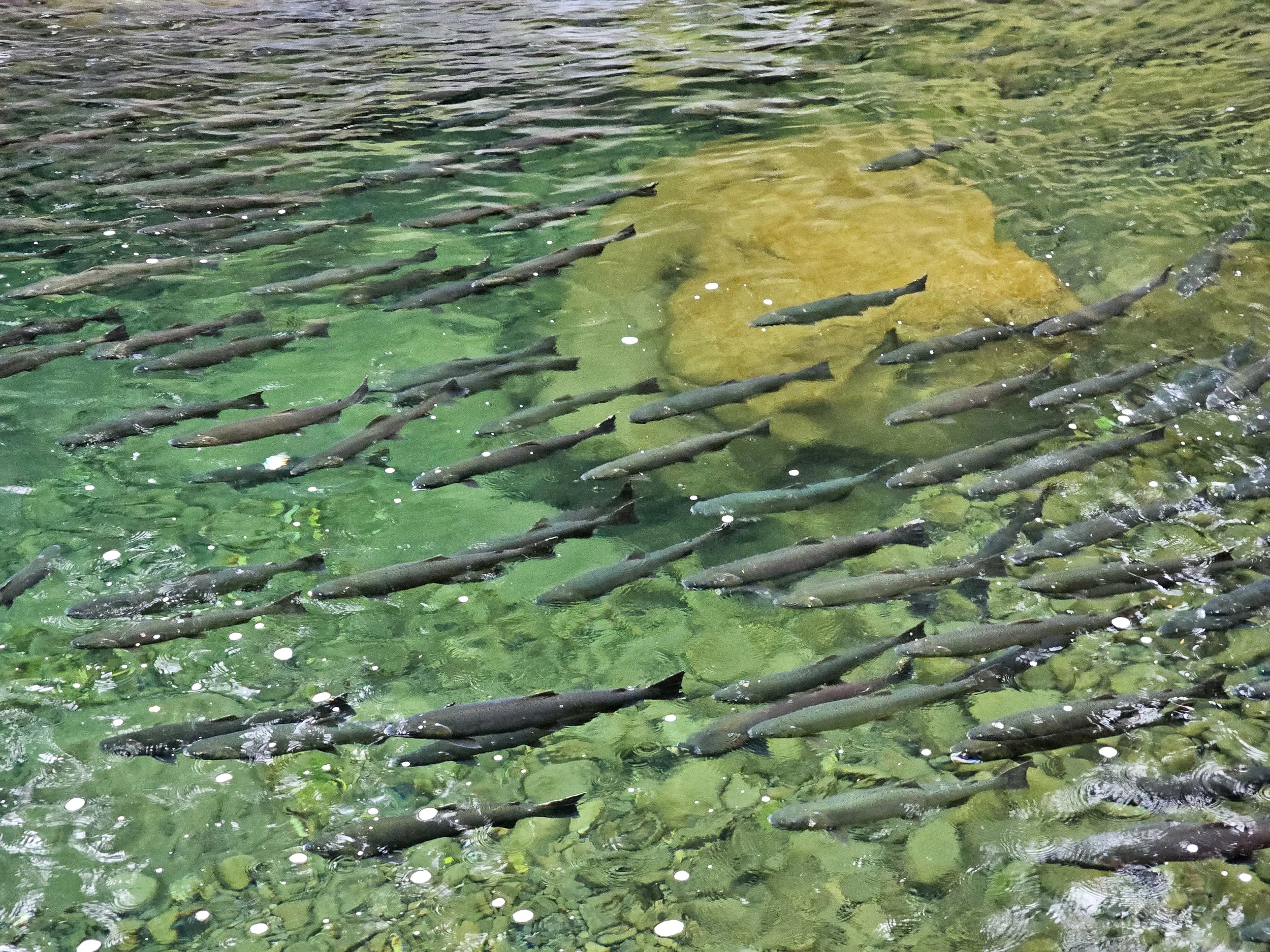
This was a joint effort between the Dungeness River Nature Center, of which Frank was Director at the time, and the Jamestown S’Klallam Tribe, for which Olivia was a contractor at the time. In collaboration with the Tribe’s Environmental Planning Department, we developed and sought funding for an adaptation project that would address accelerating climate and weather risks in the Olympic Peninsula of Washington. Risks are largely associated with the historic dependence of Northwest rivers on snowmelt to maintain summer flow regimes. As global climate change results in a shift from winter snow to winter rain, snowpack extent and depth are declining, and glaciers and perennial snowfields are disappearing. The result is a combination of low summer flows, which threaten salmon movement and survival at juvenile life stages, and high winter flows, which scour the stream bottom and again threaten the survival of juvenile salmon. At the same time, such drought in summer and high water levels in winter threaten human communities in the basin of the Dungeness River and particularly agricultural and aquacultural enterprises.
Our team members were central to the development of a framework for addressing hazards like drought, wildfire, and flooding that are affecting or could in the future affect Tribal Citizens, local non-Tribal community members, and key plant and animal species, particularly the salmon species that hold cultural importance for the S’Klallam Tribes.
While the overarching federal program was shut down in early 2025, we were pleased with the project’s architecture and gained experience in several consequential areas, including resilience hub design and Tribal cultural resilience provisions.

Watershed level adaptation program in the mountains of the Sierra Madre
2010 - Present
This project aimed to address climate disruption in the state of Chiapas, Mexico. There, climate change manifests as a longer dry season, extending from a past 6 months to as much as 8 months per year, resulting in periodic failures of key crops (corn, coffee) and starvation of cattle. The small communities of the region that own land in common as “ejidos” tend to respond to these problems by clearing land uphill into the mountains to try to increase production, which exacerbates the flashiness of runoff regimes, intensifying water shortages and creating devastating, sediment-laden flooding.
The Nature Conservancy’s in-country staff and local partners designed a program to increase production across multiple communities without clearing high-elevation, steep areas; instead, the program encouraged the use of silvo-pastoral techniques that extended the survival of pasture grass into the dry season. Trees were planted in the pasture to shade grass and cattle, and nitrogen-fixing tree species were chosen to improve overall pasture growth. Rotational grazing was introduced to provide “grass banks” for use during drought or late-dry-season times. “Living fences” were introduced to reduce bank erosion along streams from cattle entry, reducing erosion and thereby downstream sediment damage. The techniques worked well and were popular with local ranchers and community members.
Frank Lowenstein was, at the time, The Nature Conservancy’s Global Climate Adaptation Leader and worked closely with the Chiapas-based team to plan, execute, and advance the adaptation project. He represented the on-the-ground team to global funding agencies, helping secure multi-million dollar grants, and he also served as a spokesperson for the success and progress of the adaptation effort to both in-country government agency audiences and international venues. With the team and US-based Nature Conservancy staff, he analyzed the current and likely future climate of the region to chart the depth of drought and the extremes of rainfall that must be accommodated and translated that information into the case for funding and for the expansion of silvo-pastoral approaches.
